• Flat Rate Shipping $9.99

Category Archives: Latest Blogs

✋ Fine Motor Skill Toys That Make Learning Fun

Fine motor skills are the small movements we use every day — from buttoning a shirt to holding a pencil. For many children on the autism spectrum, these skills take time, practice, and the right kind of support to develop. The good news? Learning doesn’t have to feel like work.

At Minds Climb, we believe play is one of the most powerful ways to help children build fine motor skills — especially when the toys are fun, engaging, and tailored to their needs.

Here are some of our favorite fine motor toys that make learning feel like play:

1. 🧩 Peg Boards and Lacing Sets

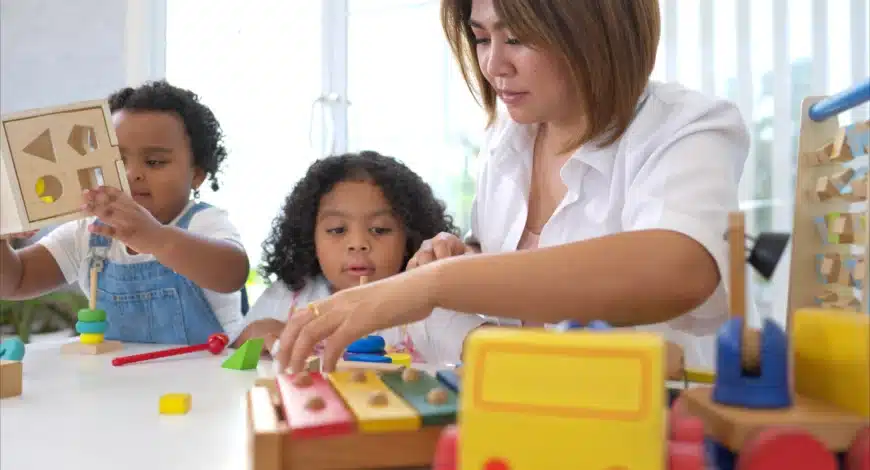
Why it works: These toys help children strengthen hand muscles, improve coordination, and develop precision — all while engaging in colorful, hands-on play. Peg boards can be used for stacking, sorting, or pattern-making, and lacing toys help develop bilateral coordination (using both hands together).

Great for: Pre-writing skills, focus, and finger strength.

2. ✂️ Cutting and Snipping Tools

Why it works: Safe, child-friendly scissors and cutting activity books let kids practice the essential skills of grip, control, and movement. Bonus: many of them come with fun shapes, textures, and story prompts to keep kids motivated.

Great for: Hand control, independence, and creativity.

3. 🧺 Buttoning, Zipping & Dressing Boards

Why it works: These boards mimic real-life dressing tasks, giving children the opportunity to practice without frustration. They build self-help skills while improving finger dexterity and hand-eye coordination.

Great for: Daily living skills, confidence, and independence.

4. 🍎 Tweezer and Tongs Games

Why it works: Using tongs or tweezers to pick up small objects helps strengthen the pincer grasp — a critical movement for writing and self-care tasks. Add some sorting cups or a color-matching game and suddenly, it’s a fun challenge!

Great for: Grip strength, coordination, and sorting.

5. 🧠 Building Blocks and Snap-Together Toys

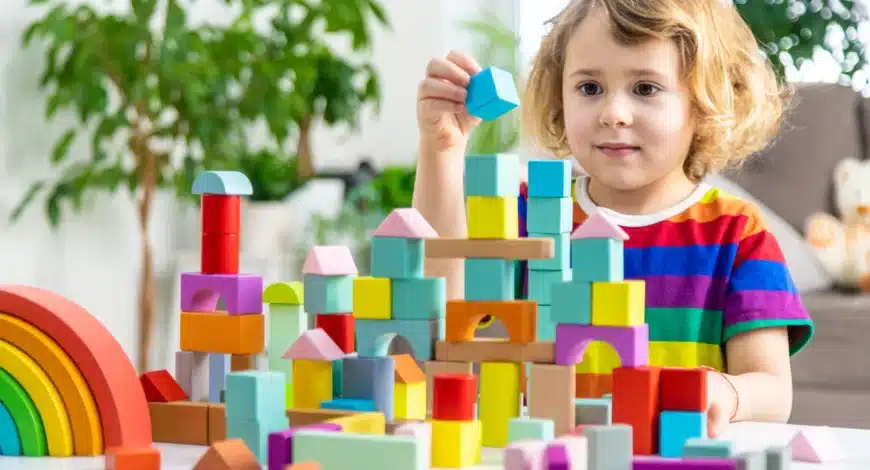
Why it works: Toys like snap beads, interlocking blocks, and magnetic tiles not only encourage creativity but also require controlled hand movement and pressure. These toys invite open-ended play while improving fine motor control.

Great for: Spatial awareness, problem-solving, and muscle coordination.

💡 Bonus Tip: Let Your Child Lead
When it comes to motor skill development, following your child’s interest makes all the difference. If they love animals, try lacing animals or animal-shaped tweezers. If they love vehicles, pick up building sets that snap together to create cars and trucks.

Remember: Every movement matters, and progress can happen in the most playful ways.

At Minds Climb…

We know that every toy is more than a toy — it’s an opportunity for growth, connection, and joy. That’s why our fine motor toys are mindfully selected with every child on the spectrum in mind.

🛒 Explore our Fine Motor Collection and let the learning begin — one playful step at a time.

🌟 Top 5 Must-Have Sensory Toys for Children with Autism

Children on the autism spectrum often experience the world through a unique sensory lens. Some seek extra sensory input, while others may be overwhelmed by too much. The right sensory toys can help regulate, calm, stimulate, and engage — all while building important developmental skills.

At Minds Climb, we carefully select sensory toys that meet the needs of neurodiverse children. Below are our Top 5 Must-Have Sensory Toys every parent should consider for their child:

1. Textured Fidget Toys

🖐 Why it’s great: Fidget toys provide tactile input and promote focus, especially for kids who seek touch or need help staying calm during transitions.

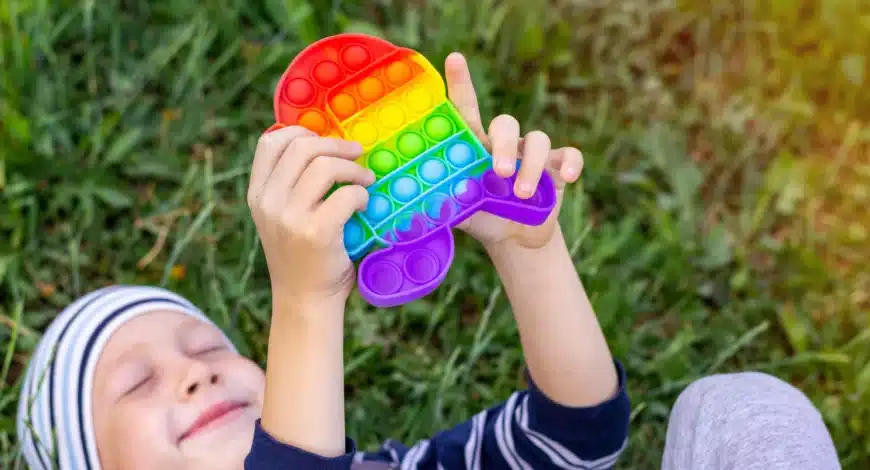
These toys come in many textures — squishy, bumpy, spiky, stretchy — and can help with self-regulation both at home and in school settings.

Best for: Reducing anxiety, improving concentration, and calming busy hands.

2. Weighted Plush or Lap Pad

🧸 Why it’s great: The gentle pressure of a weighted item offers proprioceptive input, helping children feel grounded and secure.

Weighted plush toys can become a comforting companion, while lap pads are great for use during reading, mealtime, or therapy sessions.

Best for: Soothing overstimulation and helping with body awareness.

3. Liquid Motion Bubbler or Sensory Timer

Why it’s great: These calming visual toys use slow-moving bubbles or oil drops that flow when flipped. They can mesmerize a child and give them a break from overwhelming input.

They’re quiet, compact, and ideal for calming corners, travel, or quiet playtime.

Best for: Visual sensory seekers, emotional regulation, and mindfulness.

4. Sensory Bin with Fillers

🪣 Why it’s great: Sensory bins filled with rice, beans, kinetic sand, water beads, or textured materials let kids explore through touch in a contained and creative way.

Add tools like scoops, cups, or small figurines for sorting and imaginative play.

Best for: Tactile input, fine motor development, and pretend play.

5. Chewelry or Oral Motor Chew Toys

🦷 Why it’s great: Some children have oral sensory needs and find chewing soothing. Safe, durable chewable jewelry or toys help them self-regulate without chewing unsafe items like clothes or pencils.

They come in different textures and resistance levels to match different needs.

Best for: Oral seekers, focus, and stress relief.

Final Thoughts: Start Small and Observe

Every child’s sensory profile is different. If you’re just beginning your sensory toy journey, start with one or two and observe your child’s response. Watch how they engage, what calms them, and what brings joy. From there, you can build a personalized sensory toolkit that fits their needs.

At Minds Climb, our toys are mindfully selected with every child on the spectrum in mind. Explore our full Sensory Toy Collection and let purposeful play lead the way.

🧸 How to Choose the Right Educational Toy for Your Child on the Spectrum

Choosing toys for a child on the autism spectrum isn’t just about fun — it’s about finding tools that support their development, celebrate their individuality, and help them engage with the world in a way that feels safe and enjoyable.

The right educational toys can encourage communication, build motor skills, regulate emotions, and promote creativity. At Minds Climb, we thoughtfully design and select toys with neurodiverse children in mind.

Here’s a helpful guide to choosing the right educational toy for your child:

1. Start with Your Child’s Needs and Interests

Every child on the spectrum is unique. Some love movement, others thrive with tactile play, and many have strong preferences for color, sound, or routine.

🔹 Ask yourself:
• What kind of play does my child gravitate toward?
• Do they enjoy sensory textures, puzzles, music, or building things?
• Are there specific developmental areas they’re working on (communication, fine motor skills, social interaction)?

When a toy aligns with your child’s current interests, it’s more likely to hold their attention and encourage deeper engagement.

2. Prioritize Skill-Building

Look for toys that encourage growth in these core areas:

Communication Skills (e.g., picture cards, pretend play sets)
Fine Motor Skills (e.g., lacing toys, pegboards, stacking games)
Cognitive & Learning Skills (e.g., matching games, puzzles, STEM sets)
Sensory Regulation (e.g., textured fidgets, light-up toys, weighted plushies)
Social & Emotional Skills (e.g., turn-taking games, emotion dolls)

At Minds Climb, we clearly label toys based on the skills they support — making it easier for parents and educators to choose with purpose.

3. Choose Toys That Are Simple, Predictable, and Open-Ended

While flashy, noisy toys can be overwhelming, toys that offer structure or open-ended exploration can be more beneficial.

🔸 Simple toys (like blocks or matching games) can reduce sensory overload.
🔸 Predictable cause-and-effect toys help children understand sequences and outcomes.
🔸 Open-ended toys (like pretend play sets or building kits) allow for creativity and repeated use in different ways.

4. Consider Sensory Preferences

Many children on the spectrum have heightened or reduced responses to sensory input. A toy that’s calming for one child may be overstimulating for another.

🖐 Try to observe whether your child seeks or avoids:
• Touch (soft, rough, squishy, firm)
• Sound (music, vibration, silence)
• Light (glowing, flashing, dim)

Pro Tip: Sensory bins, weighted toys, or textured materials can be great starting points to see what your child responds to best.

5. Look for Toys That Grow With Your Child

Choose toys that offer different levels of challenge as your child progresses.
For example, a shape sorter that later becomes a color-matching game, or building blocks that start simple and become more complex.

This not only saves money — it helps your child feel a sense of mastery and growth with familiar tools.

6. Involve Your Child (When Possible)

If your child can help pick their own toy, even better!
Giving them choices and including them in the selection process promotes independence, decision-making, and self-confidence.

Final Thoughts: It’s About Connection, Not Perfection

The “right” toy is the one that helps your child connect — with the activity, with others, and most importantly, with themselves.

It’s okay if something doesn’t work right away. Trial and error is part of the journey.

At Minds Climb, we’re here to support you with toys that are mindfully selected with every child on the spectrum in mind. Whether you’re looking for sensory kits, communication tools, or simply toys that bring joy — we’ve got you covered.

🧠 Shop our collections by skill area and let play become a part of your child’s learning journey.