
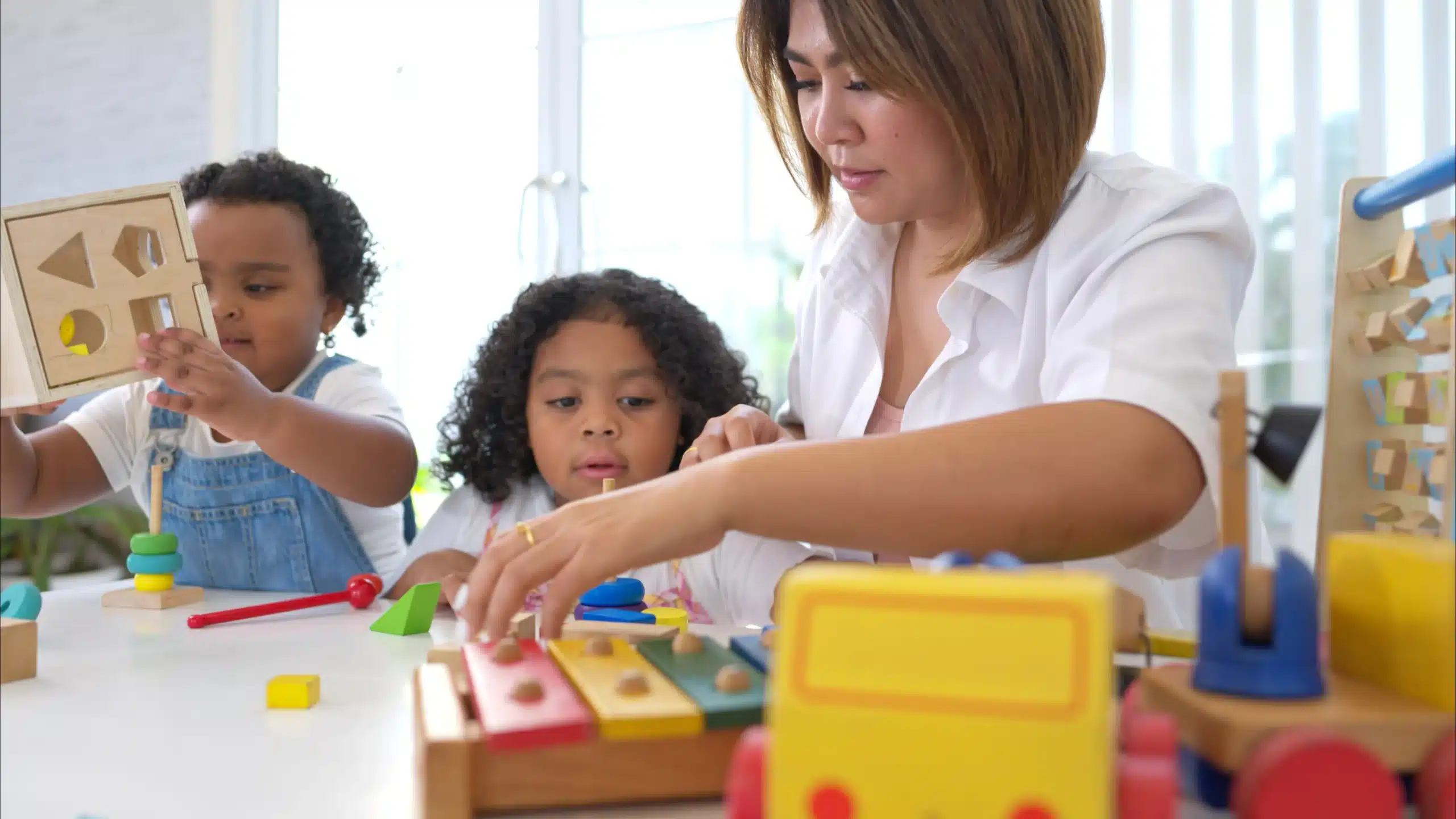
Choosing toys for a child on the autism spectrum isn’t just about fun — it’s about finding tools that support their development, celebrate their individuality, and help them engage with the world in a way that feels safe and enjoyable.
The right educational toys can encourage communication, build motor skills, regulate emotions, and promote creativity. At Minds Climb, we thoughtfully design and select toys with neurodiverse children in mind.
Here’s a helpful guide to choosing the right educational toy for your child:
⸻
1. Start with Your Child’s Needs and Interests
Every child on the spectrum is unique. Some love movement, others thrive with tactile play, and many have strong preferences for color, sound, or routine.
🔹 Ask yourself:
• What kind of play does my child gravitate toward?
• Do they enjoy sensory textures, puzzles, music, or building things?
• Are there specific developmental areas they’re working on (communication, fine motor skills, social interaction)?
When a toy aligns with your child’s current interests, it’s more likely to hold their attention and encourage deeper engagement.
⸻
2. Prioritize Skill-Building
Look for toys that encourage growth in these core areas:
• Communication Skills (e.g., picture cards, pretend play sets)
• Fine Motor Skills (e.g., lacing toys, pegboards, stacking games)
• Cognitive & Learning Skills (e.g., matching games, puzzles, STEM sets)
• Sensory Regulation (e.g., textured fidgets, light-up toys, weighted plushies)
• Social & Emotional Skills (e.g., turn-taking games, emotion dolls)
At Minds Climb, we clearly label toys based on the skills they support — making it easier for parents and educators to choose with purpose.
⸻
3. Choose Toys That Are Simple, Predictable, and Open-Ended
While flashy, noisy toys can be overwhelming, toys that offer structure or open-ended exploration can be more beneficial.
🔸 Simple toys (like blocks or matching games) can reduce sensory overload.
🔸 Predictable cause-and-effect toys help children understand sequences and outcomes.
🔸 Open-ended toys (like pretend play sets or building kits) allow for creativity and repeated use in different ways.
⸻
4. Consider Sensory Preferences
Many children on the spectrum have heightened or reduced responses to sensory input. A toy that’s calming for one child may be overstimulating for another.
🖐 Try to observe whether your child seeks or avoids:
• Touch (soft, rough, squishy, firm)
• Sound (music, vibration, silence)
• Light (glowing, flashing, dim)
Pro Tip: Sensory bins, weighted toys, or textured materials can be great starting points to see what your child responds to best.
⸻
5. Look for Toys That Grow With Your Child
Choose toys that offer different levels of challenge as your child progresses.
For example, a shape sorter that later becomes a color-matching game, or building blocks that start simple and become more complex.
This not only saves money — it helps your child feel a sense of mastery and growth with familiar tools.
⸻
6. Involve Your Child (When Possible)
If your child can help pick their own toy, even better!
Giving them choices and including them in the selection process promotes independence, decision-making, and self-confidence.
⸻
Final Thoughts: It’s About Connection, Not Perfection
The “right” toy is the one that helps your child connect — with the activity, with others, and most importantly, with themselves.
It’s okay if something doesn’t work right away. Trial and error is part of the journey.
At Minds Climb, we’re here to support you with toys that are mindfully selected with every child on the spectrum in mind. Whether you’re looking for sensory kits, communication tools, or simply toys that bring joy — we’ve got you covered.
🧠 Shop our collections by skill area and let play become a part of your child’s learning journey.